Untreated Trauma Wounds: EMDR Therapy Bangkok | BetterMind
2210 Views |

Untreated Traumatic Wounds: Can We Really Live With Them?

By Dr. Marid Kaewchinda (Ph.D.)
Counseling Psychologist | EMDR Psychotherapy Supervisor & Brainspotting Practitioner | BetterMind Thailand
Many people believe that "time heals all wounds." However, when it comes to psychological trauma and deep emotional wounds, time alone is rarely enough. Untreated wounds quietly shape our thoughts, behavior, emotional stability, and relationships, lingering within our nervous system.
Key Clinical Insight: Trauma isn't just a memory stored in the mindit is held in the body and nervous system. Evidence-based therapies like EMDR and Brainspotting help safely reprocess stuck trauma and restore emotional balance.
What Is an Emotional Wound & Signs to Recognize
An emotional wound (psychological trauma) is an inner injury caused by painful experiences such as neglect, loss, rejection, betrayal, or abuse. Common signs include:
Difficulty trusting others, fear of intimacy, or repeatedly entering unhealthy relationship patterns.
Experiencing emotional numbness, sudden mood swings, or intense overreactions to minor triggers.
Chronic stress, insomnia, persistent self-doubt, or feeling chronically "not good enough."
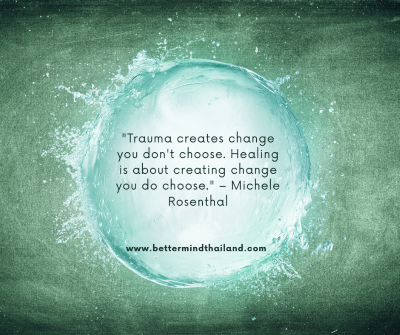
What Happens If Emotional Wounds Are Left Untreated?
When trauma remains unprocessed, the brain continues to replay the event as an active threat. Over time, untreated trauma can lead to:
- Clinical depression, generalized anxiety, and PTSD symptoms
- Emotional burnout, chronic fatigue, and physical distress
- Persistent strain on personal and professional relationships
- Loss of motivation, joy, and personal identity

How EMDR & Brainspotting Therapy Heal Trauma
- EMDR Therapy (Eye Movement Desensitization and Reprocessing): Uses bilateral stimulation (such as eye movements) to assist the brain in safely reprocessing painful memories so they no longer trigger distress.
- Brainspotting Therapy: Locates specific eye positions linked to subcortical trauma storage, allowing deep neurophysiological release and healing.
The Path Toward Healing
Healing emotional wounds requires patience, self-compassion, and proper therapeutic guidance. Healing isn't about forgetting what happenedit's about learning to live without being controlled by past pain.
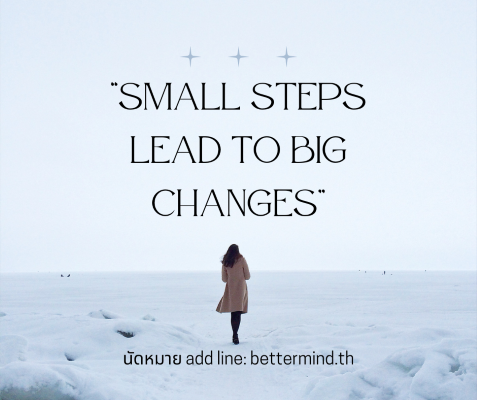
"You don't have to live forever with the pain of untreated wounds. Healing is possiblestep by step, layer by layer."
FAQ: Healing from Emotional Wounds
Q1: What causes emotional wounds?
Answer: Painful events such as loss, neglect, abuse, or betrayal can overwhelm the brain's processing capacity, leaving lasting emotional imprints in memory and the nervous system.
Q2: Can we live with emotional wounds without treatment?
Answer: While temporary coping is possible, unhealed trauma often resurfaces as anxiety, somatic symptoms, or relationship distress. Sustainable healing requires processing rather than avoidance.
Q3: How does EMDR therapy help heal trauma?
Answer: EMDR uses bilateral stimulation to help the brain safely reprocess traumatic memories, reducing emotional distress so memories no longer trigger painful reactions.
Q4: How long does trauma healing take?
Answer: It varies by individual. Many clients notice meaningful progress within 612 sessions, while complex or childhood trauma may require longer therapeutic support.
Q5: When should I see a psychologist in Bangkok?
Answer: If emotional overwhelm, anxiety, or relationship stress impacts your daily life, seeking therapy is a proactive and courageous step toward well-being.
Q6: Is EMDR therapy safe?
Answer: Yes. EMDR is an evidence-based therapy conducted by trained mental health professionals, structured to ensure emotional safety throughout trauma processing.
Q7: What if I don't know where to start?
Answer: Start with an initial consultation with a qualified psychologist. Together, you can decide whether EMDR, Brainspotting, or another therapeutic method best serves your needs.
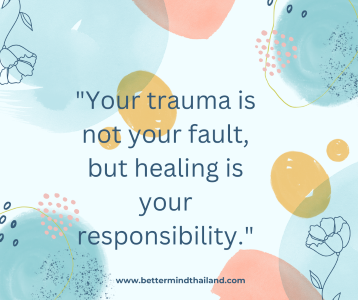
Start Your Trauma Healing Journey
Book an EMDR or Brainspotting session with Dr. Marid Kaewchinda at BetterMind Thailand.


