Can EMDR Therapy Help ADHD? Benefits, Research & Treatment Review
343 Views |

Can EMDR Therapy Help ADHD?
A Review of EMDR Treatment for Attention-Deficit Hyperactivity Disorder

Dr. Marid Kaewchinda (Ph.D)
Expertise: Consulting Psychologist, EMDR/Brainspotting Psychotherapy Practitioner
What is EMDR Therapy?
EMDR (Eye Movement Desensitization and Reprocessing) is a globally recognized psychotherapy approach originally developed to treat Post-Traumatic Stress Disorder (PTSD). Over time, mental health professionals have begun using EMDR therapy to address a wider range of challenges, including:
- Anxiety disorders
- Depression
- Emotional regulation difficulties
- Attention-Deficit Hyperactivity Disorder (ADHD)
EMDR works by helping the brain reprocess distressing memories and emotional experiences, allowing individuals to respond more calmly and effectively in everyday situations.

Understanding ADHD (Attention-Deficit Hyperactivity Disorder)
ADHD is a neurodevelopmental condition that affects attention, impulse control, and emotional regulation. It is commonly diagnosed in childhood but can continue into adolescence and adulthood.
Common symptoms of ADHD include:
- Difficulty maintaining focus
- Trouble completing tasks
- Impulsivity and hyperactivity
- Poor organization and time management
- Emotional dysregulation
Traditional ADHD treatment typically includes:
- Medication (such as stimulant medications)
- Behavioral therapy
- Psychological counseling
- Parent and family support programs
While these treatments can be effective, they may not work for everyone, which has led to growing interest in alternative and complementary therapies like EMDR.
Can EMDR Therapy Help ADHD?
Although EMDR therapy is not considered a primary treatment for ADHD, emerging research suggests it may help address underlying emotional and neurological factors that contribute to ADHD symptoms.
Potential benefits of EMDR for ADHD include:
- Reducing anxiety and emotional overwhelm
- Improving emotional regulation
- focus and concentration
- Processing negative experiences affecting self-control
- Supporting executive functioning skills
- Emotional stress
- Trauma
- School difficulties
- Low self-esteem
- Social challenges
Because EMDR targets how the brain processes emotional experiences, it may help reduce mental overload and improve cognitive functioning.
Research on EMDR and ADHD
While research on EMDR therapy for ADHD is still developing, early findings are promising. Some studies suggest EMDR may improve activity in the Prefrontal Cortex, the area of the brain responsible for:
- Executive functioning
- Emotional regulation
- Attention control
- Decision-making
- Working memory
Improved functioning in this area may help individuals with ADHD become:
- More focused
- Less impulsive
- Better organized
- More emotionally balanced
However, more long-term research is needed to fully confirm the effectiveness of EMDR therapy for ADHD.
Is EMDR Therapy Right for ADHD?
EMDR therapy may be a helpful complementary approach for individuals with ADHD, especially those experiencing emotional stress or past negative experiences affecting their daily functioning.
It is important to note that EMDR should be conducted by a trained and certified mental health professional to ensure safe and effective treatment.
Final Thoughts: EMDR as a Supportive Therapy for ADHD
While EMDR therapy is not a cure for ADHD, it may serve as a valuable complementary treatment that supports emotional healing, improves focus, and enhances overall well-being.
If you or your child is living with ADHD and looking for non-medication options, EMDR therapy may be worth exploring with a qualified professional.
Because every brain is different — and sometimes, the right support can unlock hidden potential.
Your child with ADHD is not broken — they simply need a different way to shine.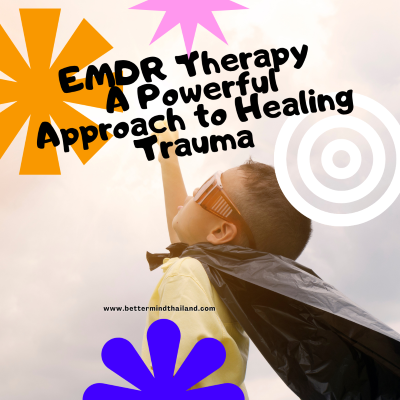
FAQ: EMDR Therapy and ADHD
1. Can EMDR therapy help ADHD?
EMDR therapy is not a primary treatment for ADHD, but it may help reduce emotional stress, improve focus, and support emotional regulation. It is especially helpful for individuals with ADHD who have experienced trauma, anxiety, or emotional overwhelm.
2. Is EMDR therapy safe for children with ADHD?
Yes. EMDR therapy is considered safe when conducted by a trained and certified therapist. Many therapists adapt EMDR techniques to be child-friendly and age-appropriate.
3. How does EMDR therapy work for ADHD?
EMDR therapy helps the brain process unresolved emotional experiences. By improving emotional regulation and reducing mental overload, individuals with ADHD may experience better focus, calmer behavior, and improved executive functioning.
4. How many EMDR sessions are needed for ADHD?
The number of sessions varies depending on the individual. Some people notice improvements within 6–12 sessions, while others may require longer support.
5. Can EMDR replace ADHD medication?
EMDR is usually considered a complementary therapy, not a replacement for medication. Treatment plans should always be discussed with a qualified mental health professional.
6. Who is a good candidate for EMDR therapy?
EMDR may be helpful for individuals with ADHD who also experience:
- Anxiety
- Emotional sensitivity
- Trauma
- Low self-esteem
- School or work difficulties
Potential benefits include:
- Improved focus
- Better emotional regulation
- Reduced anxiety
- Increased self-confidence
- Better impulse control
ADHD is not a lack of attention — it's a different way of experiencing the world.


