Beginning Therapy Is Not a Sign of Failure: Couples and Family Therapy for Healthier Relationships
380 Views |

Couples & Family Therapy
Rebuilding Connection, Healing Emotional Wounds, and Creating Healthier Relationships

Dr. Marid Kaewchinda (Ph.D)
Expertise: Consulting Psychologist, EMDR/Brainspotting Psychotherapy Practitioner
Relationships are not broken by one single event.
They slowly erode through misunderstandings, unmet emotional needs, and unresolved emotional wounds.
Couples and Family Therapy is not only for relationships in crisis.
It is a structured, evidence-informed process that helps individuals, couples, and families understand emotional patterns, heal relational trauma, and build healthier ways of connecting.
This article explains:
- What Couples & Family Therapy really is
- Why relationships struggle even when love is still present
- How emotional trauma impacts relationships
- Practical tools used in therapy
- When therapy is most helpful
What Is Couples and Family Therapy?
Couples and Family Therapy is a form of psychological support that focuses on relationships rather than individuals alone.
Instead of asking:
“Who is right or wrong?”
Therapy asks:“What emotional needs are not being met?”
“What patterns keep repeating?”
“What past experiences are shaping current reactions?”
Therapy addresses:
- Communication breakdowns
- Emotional distance
- Recurrent conflicts
- Parenting and family stress
- Intergenerational patterns
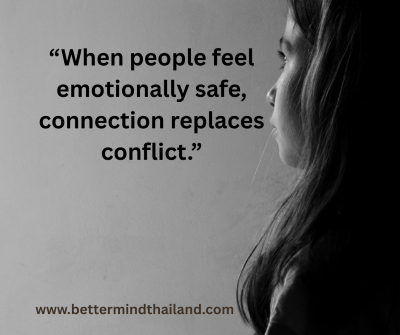
The goal is emotional safety, understanding, and reconnection.
Why Do Relationships Struggle Even When Love Exists?
Many couples say:
“We still love each other, but something feels wrong.”
This happens because love alone does not resolve:
- Emotional trauma
- Attachment wounds
- Chronic stress
- Unspoken expectations
When people feel emotionally unsafe, the nervous system shifts into fight, flight, or shutdown.
At that point, partners stop listening and start protecting themselves.
Couples Therapy helps the nervous system return to safety — where connection becomes possible again.
The Role of Emotional Trauma in Relationships
Unresolved trauma often appears in relationships as:
- Overreacting to small issues
- Fear of abandonment or rejection
- Avoidance of intimacy
- Difficulty trusting
- Emotional numbness
These reactions are not personality flaws — they are adaptive survival responses learned earlier in life.
Family Therapy also addresses intergenerational trauma, where emotional patterns are unknowingly passed from parents to children.

How Couples & Family Therapy Works
Therapy provides a structured, safe environment where:
- Each person is heard without judgment
- Emotional triggers are identified and understood
- Communication shifts from blame to vulnerability
- Boundaries are clarified
- Emotional regulation skills are developed
- Rather than fixing surface arguments, therapy works at the emotional root of the relationship.
Practical Tools Used in Therapy (That You Can Apply)
1. Emotional Pause
Before reacting, pause and ask:
“What am I feeling right now?”
“What do I need emotionally?”
This interrupts automatic conflict cycles.
2. Needs-Based Communication
Replace blame with emotional clarity.
Instead of:
“You never listen to me.”
Try:
“I feel disconnected and need reassurance.”
3. Weekly Emotional Check-In
Set aside 15–20 minutes weekly to:
- Share emotions
- Listen without fixing
- Build emotional safety
Consistency matters more than perfection.

Family Therapy: Beyond Individual Behavior
When a child struggles emotionally or behaviorally, it is often a signal of stress within the family system.
Family Therapy helps:
- Parents understand emotional dynamics
- Reduce pressure placed on children
- Improve emotional communication across generations
- Create healthier boundaries
- The focus is not blame — it is balance.
When Is the Right Time to Start Therapy?
Couples and Family Therapy is helpful when:
- Conflicts repeat without resolution
- Emotional distance increases
- Communication feels unsafe
- Parenting stress affects relationships
- You want to strengthen connection proactively
- You do not need to wait for a crisis.

Why Trauma-Informed Couples & Family Therapy Matters
A trauma-informed approach recognizes that:
- Reactions are rooted in past experiences
- Emotional safety must come before change
- Healing happens at a pace that respects the nervous system
- This approach creates lasting relational change, not temporary behavior fixes.
Final Thoughts
Couples and Family Therapy is not a sign of failure.
It is a commitment to emotional growth, understanding, and healthier relationships.
When people feel safe, seen, and heard — relationships can transform.
If you are experiencing recurring conflicts, emotional distance, or communication breakdowns — or simply want a healthier, more fulfilling relationship — this is the right time to begin Couples and Family Therapy.
Therapy offers a safe, supportive space to understand emotional patterns, heal relational wounds, and build stronger, more connected relationships.
FAQ: Couples & Family Therapy
What is Couples Therapy?
Couples Therapy is a form of relationship counseling that helps partners understand emotional patterns, communication styles, and unresolved issues within their relationship. The goal is to restore emotional connection, not to assign blame.
Is Couples Therapy only for couples who are about to break up?
No. Couples Therapy is beneficial for couples experiencing conflict, emotional distance, or ongoing misunderstandings — as well as for couples who want to strengthen their relationship before serious problems arise.
We argue often but still love each other. Can Couples Therapy help?
Yes. Frequent arguments often indicate unmet emotional needs or unresolved emotional wounds. Couples Therapy helps uncover what lies beneath conflict and teaches healthier, more supportive communication.
What is the difference between Couples Therapy and Family Therapy?
Couples Therapy focuses on romantic relationships, while Family Therapy works with the entire family system — parents, children, or multiple generations — addressing emotional roles, boundaries, and relational patterns within the family.
If my child has behavioral issues, should my child or the parents attend therapy?
In many cases, a child’s difficulties reflect stress within the family system. Family Therapy often involves parents to improve emotional safety and communication throughout the household, not just focusing on the child.
How long does Couples or Family Therapy take?
The length of therapy depends on goals and complexity. Some couples notice improvements within 6–10 sessions, while deeper or long-standing issues may require longer-term support.
Does Couples Therapy really work?
Therapy is not a quick fix, but it is a powerful process. When partners are willing to reflect, communicate openly, and engage in the process, Couples Therapy can significantly improve emotional connection and relationship satisfaction.
Is Couples Therapy suitable for LGBTQ+ couples and diverse families?
Absolutely. Better Mind provides inclusive, affirming Couples and Family Therapy that respects all gender identities, sexual orientations, and family structures.
Do we need to talk about past trauma or childhood experiences?
Only at a pace that feels safe. Therapy focuses on understanding how past experiences influence present relationships, without forcing clients to revisit painful memories unnecessarily.
When is the right time to start Couples or Family Therapy?
If you are experiencing emotional distance, repeated conflicts, communication breakdowns, or simply want a healthier, more fulfilling relationship — that is the right time to begin therapy.


