How to Maintain a Long-Term Relationship | BetterMind
1376 Views |

How to Maintain a Long-Term Relationship: 7 Secrets to Lasting Love

By Dr. Marid Kaewchinda (Ph.D.)
Counseling Psychologist | EMDR & Brainspotting Psychotherapy Practitioner
Falling in love is easy but staying in love takes effort, patience, and understanding. A healthy long-term relationship isnt built overnight; it grows through shared experiences, honest communication, and mutual respect. Whether you have been together for a few years or decades, learning how to maintain your bond is one of the most rewarding emotional investments you can make.
Psychological Insight: Lasting relationships do not depend on finding a flawless partner. They thrive when both individuals make a conscious daily choice to listen, adapt, and repair emotional ruptures together.

7 Essential Keys to Building a Strong & Lasting Connection
Healthy communication forms the cornerstone of every enduring partnership. Express your feelings, needs, and boundaries clearly rather than avoiding difficult conversations.
- Practice active listening seek to understand before reacting.
- Use "I" statements (e.g., "I feel overwhelmed") instead of accusatory "You" statements.
- Be honest yet compassionate during emotionally charged moments.
Trust is earned continuously through consistency, transparency, and reliability. Stay true to your commitments, avoid secrecy, and foster an environment of psychological safety.
Emotional closeness goes beyond physical attraction. It means feeling safe enough to show vulnerability without fear of judgment. Dedicate distraction-free quality time to check in with each other's emotional worlds.
Routines can dull romance if left unchecked. Cultivate affection through small, meaningful gestures:
- Plan regular date nights or unexpected shared activities.
- Express genuine appreciation and daily verbal gratitude.
- Celebrate personal and relationship milestones together.
Disagreements are inevitable; resolution styles determine relationship survival. Avoid Dr. John Gottman's "Four Horsemen" criticism, contempt, defensiveness, and stonewalling. Take a brief pause to de-escalate when emotions run high.
Individuals evolve over time. Successful couples support each other's aspirations, respect differences, and continuously realign their shared vision for the future.
A healthy relationship consists of two complete individuals. Maintain personal hobbies, friendships, and self-care. Personal fulfillment enriches the emotional energy you bring into your partnership.
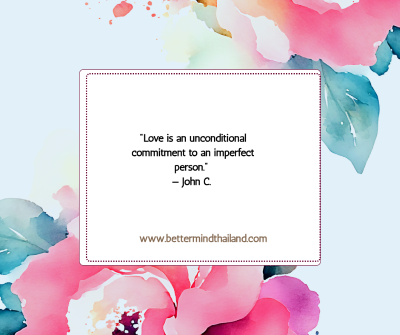
Conclusion: Real love is not merely a feeling it is a daily conscious commitment to listen, forgive, trust, and support each other through life's evolving seasons.
Recommended Relationship Articles
Frequently Asked Questions (FAQ) About Relationship Counseling
Q1: What are the first steps to take when a long-term relationship feels distant?
Answer: Begin by scheduling a calm, distraction-free conversation using non-accusatory "I" statements. Focus on expressing your desire for closeness rather than pointing out your partner's shortcomings.
Q2: How can couples break repetitive cycles of arguments?
Answer: Identify emotional triggers and agree on a "time-out" rule when conversations become heated. Returning to the discussion after calming down prevents defensive reactions and stonewalling.
Q3: When should a couple consider professional Couples Therapy in Bangkok?
Answer: Seeking professional counseling is beneficial when communication has broken down, after a breach of trust (such as infidelity), or when persistent conflicts cannot be resolved independently. A licensed psychologist provides a neutral, safe space for healing.
Rebuild & Strengthen Your Relationship Today
Book a confidential consultation with Dr. Marid Kaewchinda at BetterMind Thailand.


